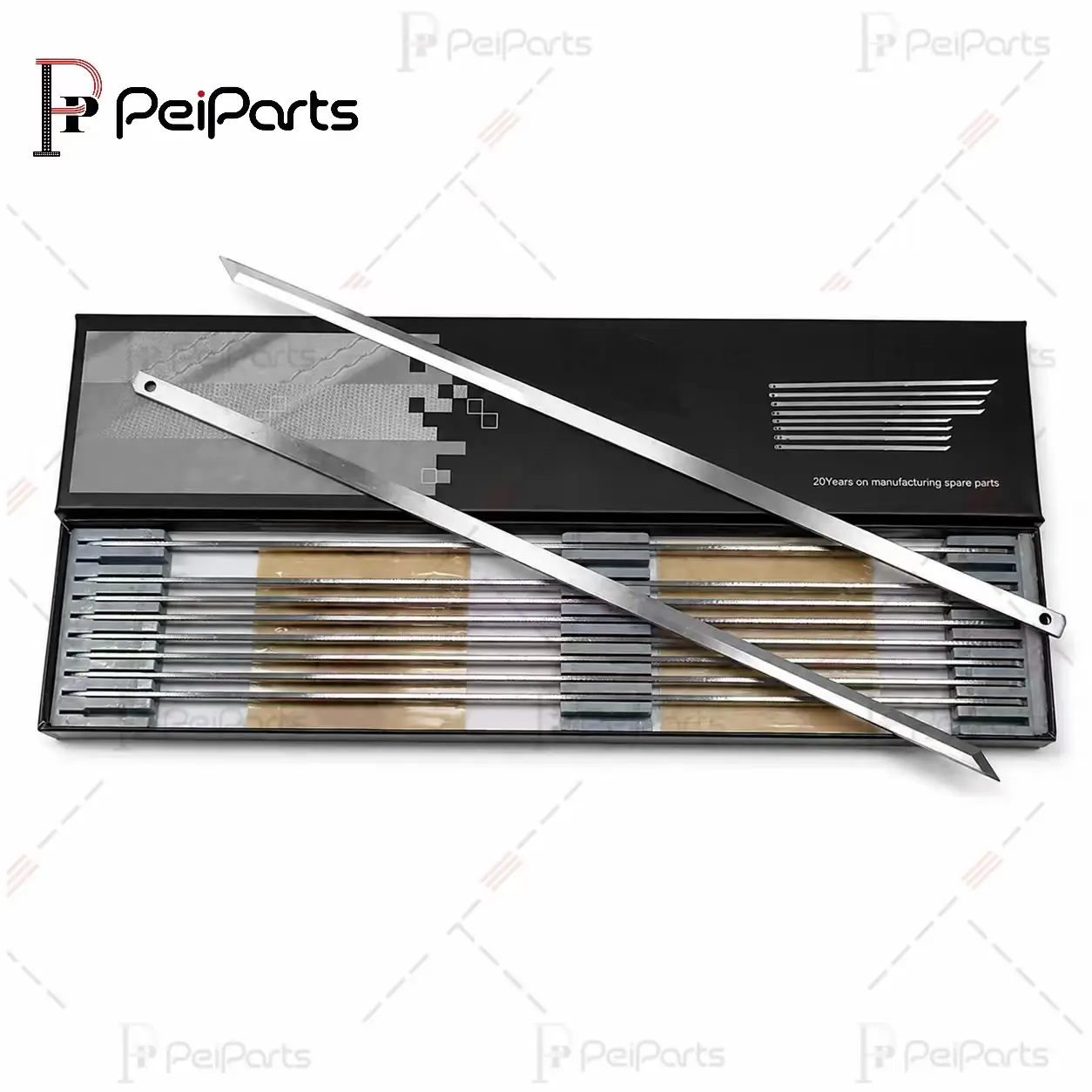
The right blade for a Lectra Vector is decided first by the machine, because the knife head only accepts blades of a specific length, section and fixing. Within that, the material you cut, how high you spread it and how fast you cut decide which blade performs best. Start from your machine model and reference number, then choose for the job.
Key Takeaways
- The machine model and knife head set the blade dimensions; a blade that does not match will not fit or will not cut cleanly.
- Spread height matters: the blade must reach through the full spread with enough length to spare.
- Material decides how hard the edge works; technical and coated materials wear blades faster than standard woven fabrics.
- Poor bottom-ply cuts, blade deflection and frequent breakage are signs the blade is wrong for the job or past its life.
- Order by reference number and keep a note of which blade suits which job.
Why Does the Machine Come First?
Each Vector knife head is designed around a blade of fixed dimensions: overall length, width and thickness, plus the way it is held. A blade outside those dimensions will not seat correctly, will not sharpen properly in the machine’s sharpener, or will put extra load on guides and bearings.
One blade can still serve several models. The 9 cm blade with a 2.4 x 8.5 mm section on our In Stock page, for example, is listed for the Vector Q80, iX9, iH8, MH8, M88, MP9 and MX9. Other models need other blades. That is why the reference number of your current blade, or the machine model and nameplate, is the first thing to check.
How Does Spread Height Affect Blade Choice?
The blade has to pass through the full spread under compression, with enough length to cut the bottom ply cleanly. Machines built for higher spreads use longer blades, and the cutting parameters change with height. If you regularly cut close to the maximum spread for your machine, ask for a blade suited to that height rather than the one that happens to be in stock.
How Does the Material Change Things?
The material decides how hard the edge works and how quickly it dulls:
| Material | What it does to the blade | What to tell your supplier |
|---|---|---|
| Standard woven fabrics | Moderate, predictable wear | Material type and typical spread height |
| Knits and stretch fabrics | Edge must stay sharp to avoid pulling | Fabric composition and whether you see snagging |
| Denim and heavy fabrics | Higher load, faster dulling | Fabric weight and spread height |
| Technical and coated materials | Abrasive; wears the edge fastest | Exact material, coating and any fibre reinforcement |
| Automotive and furniture textiles | Thick spreads, high load | Spread height and cutting speed |
The same blade can behave very differently across these jobs. If you cut a mix of materials, track which jobs wear blades fastest. That is where a different blade, or a shorter replacement cycle, will pay off.
What Role Does Cutting Speed Play?
Higher cutting speeds and vibration frequencies get more work done per shift, but they also heat the edge and wear it faster. If you have increased speed to meet output targets and blade life has dropped, the blade may not be the problem: the cycle between sharpenings or replacements may simply need to be shorter.
How Do You Know the Blade Is Wrong for the Job?
- The bottom plies are not cut cleanly, with uncut threads or notched edges, while the top plies look fine.
- The blade deflects, so the bottom of the cut wanders away from the line.
- Blades break more often than they used to.
- Edges fray or melt on synthetic materials, which points to heat.
- Sharpening does not restore the edge, or the edge does not last between cycles.
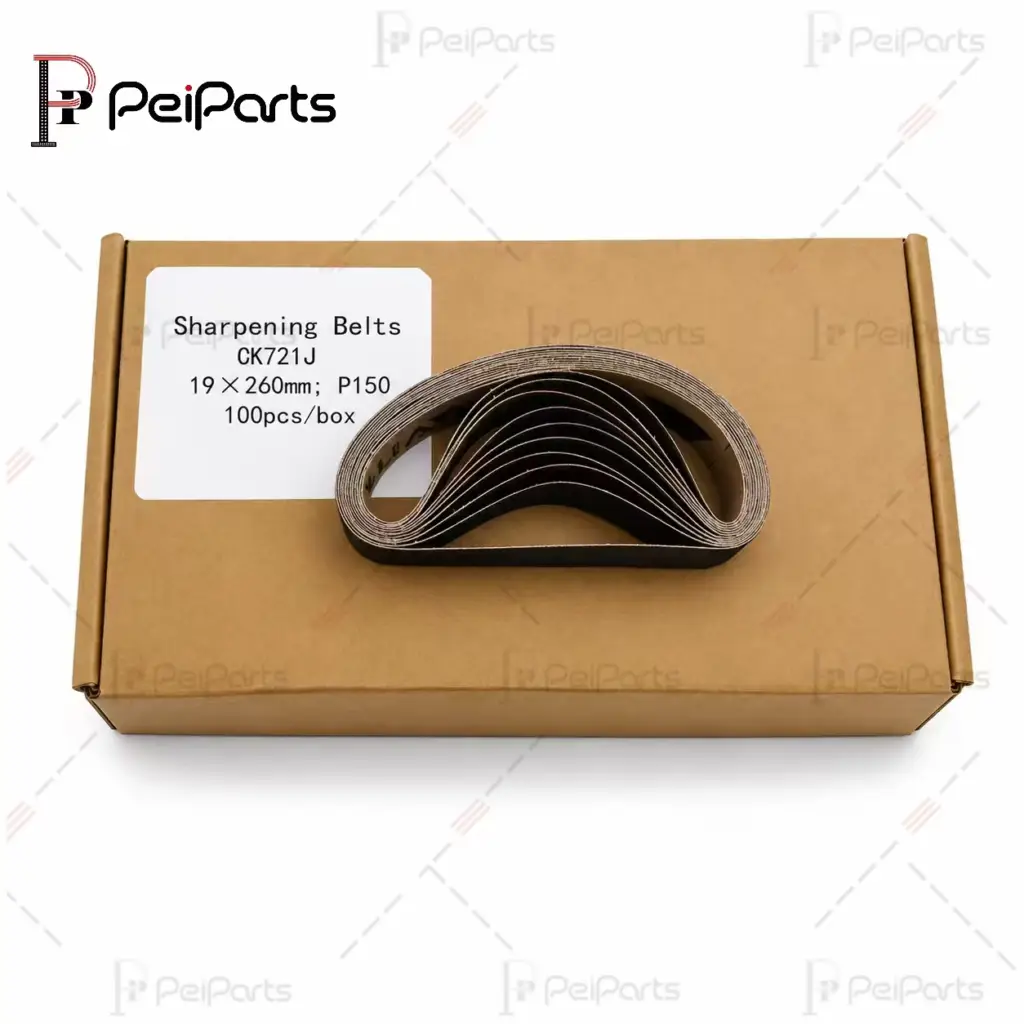
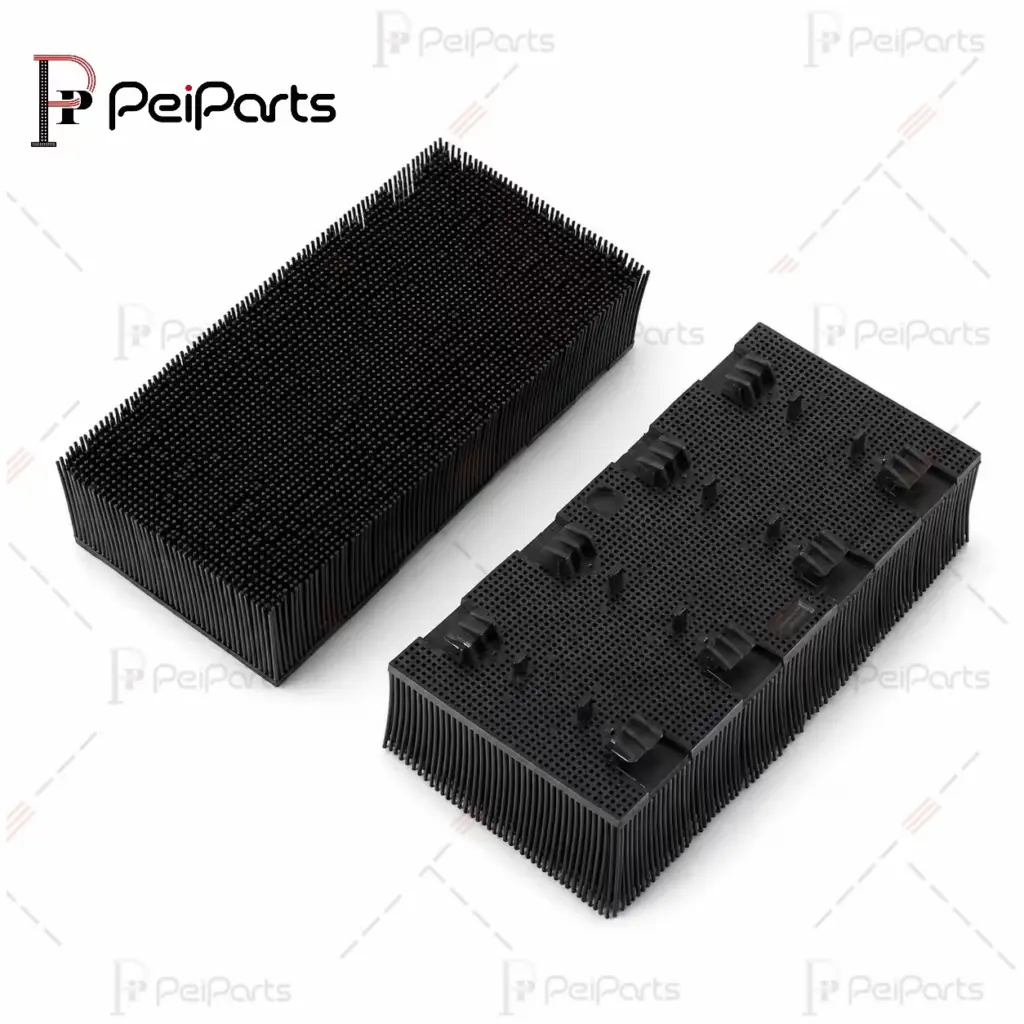
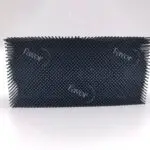
Before blaming the blade, rule out the other usual suspects: worn guides, a worn sharpening belt or stone, and worn bristle blocks under the spread. All of them show up as poor cut quality.
How Should You Order Replacement Blades?
- Order by the reference number of the blade that works in your machine.
- Note the machine model and version, especially if you run several cutters.
- Tell your supplier what you cut and how high you spread, if you want a recommendation.
- Order in the pack size that matches your replacement cycle, so you never run out mid-shift.
- Keep a few blades in reserve for urgent jobs and unplanned breakage.
Blades for Lectra Vector Cutters From PeiParts
We make compatible blades for Vector cutters and confirm every request by reference number or by a photo of the blade and the nameplate. Tell us your material and spread height and we will recommend a blade. Browse parts for your machine: Vector iQ, Vector iX, MH / MP / M88, earlier Vector models.
Find the Right Blade
Send your blade reference or a photo, plus what you cut. We reply with a recommendation and quote within 12 hours.